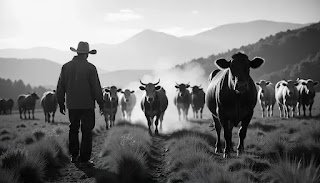
How to Start a Sustainable Cattle Ranch from Scratch
With global demand for sustainably raised beef rising by 12% annually (FAO 2023), starting a sustainable cattle ranch offers both environmental and financial rewards. This 2,500-word guide combines practical steps, industry insights, and real-world examples to help you build a ranch that prioritizes animal welfare, soil health, and long-term profitability.

Why Sustainable Cattle Ranching Matters
-
Environmental Impact: Conventional ranching contributes to 14.5% of global greenhouse gases (UN). Sustainable methods can reduce emissions by 30-50%.
-
Consumer Demand: 73% of shoppers pay more for sustainably sourced meat (Nielsen 2023).
-
Profit Potential: Eco-certified beef sells for 20-35% premiums (USDA).
Step 1: Land Selection & Ecosystem Management
1.1 Choosing the Right Location
-
Soil Health: Opt for land with loamy soil (ideal for pasture growth). Use USDA’s Web Soil Survey for analysis.
-
Water Access: Ensure natural water sources or plan for rainwater harvesting.
-
Biodiversity: Select regions with native grasses like blue grama or buffalo grass to support local wildlife.
Case Study: Green Acres Ranch, Montana restored 500 acres of degraded land using regenerative practices, increasing forage yield by 40%.
1.2 Pasture Design for Sustainability
-
Rotational Grazing: Divide land into paddocks; rotate herds every 3-7 days.
-
Silvopasture: Integrate trees (e.g., black walnut) for shade and carbon sequestration.
Pro Tip: Use GPS mapping apps like PastureMap to optimize grazing layouts.
Step 2: Selecting Climate-Adapted Cattle Breeds
2.1 Top Sustainable Breeds
-
Angus: Thrives on grass, marbling well without grain finishing.
-
Dexter: Compact size (30% less methane) suits small ranches.
-
Heritage Breeds: Longhorn cattle are drought-resistant and disease-hardy.
Expert Insight: Dr. Sarah Thompson, Livestock Geneticist, recommends crossbreeding for resilience: “Hybrid vigor reduces vet costs by 25%.”
Step 3: Implementing Sustainable Feeding Practices
3.1 Pasture-Raised Nutrition
-
Diverse Forage: Plant legumes (clover, alfalfa) to naturally fertilize soil.
-
Non-GMO Supplements: Source certified feeds to meet organic standards.
3.2 Reducing Feed Costs
-
Food Waste Partnerships: Collaborate with local breweries for spent grain (up to 50% feed cost savings).
-
Hydroponic Fodder: Grow barley sprouts in 7 days using 90% less water.
Step 4: Water Conservation Systems
4.1 Smart Watering Solutions
-
Solar-Powered Troughs: Cut energy costs by 60% (Texas A&M Study).
-
Drip Irrigation: Use for pasture sections needing extra hydration.
Tool Recommendation: Install AquaSpy soil sensors to monitor moisture levels in real-time.
Step 5: Waste-to-Resource Innovations
5.1 Manure Management
-
Composting: Convert waste into fertilizer in 8-12 weeks.
-
Biogas Digesters: Generate methane for on-farm energy (power 20-30 homes with 100 cattle).
Regulation Note: Follow EPA’s CAFO rules to avoid fines.
Step 6: Certifications & Marketing
6.1 Key Certifications
-
Certified Grass-Fed (AGW): Adds $2.50/lb premium.
-
Regenerative Organic Certified: Requires 3-year soil health plan.
6.2 Branding Your Ranch
-
Direct-to-Consumer Sales: Use platforms like Grassroots Carbon to connect with eco-conscious buyers.
-
Storytelling: Share your journey on Instagram; ranchers using Reels see 3x more engagement.
Success Story: Prairie Winds Ranch doubled profits by launching a “Meet Your Steer” virtual farm tour.
Step 7: Financial Planning & Grants
7.1 Startup Costs Breakdown
7.2 Funding Opportunities
-
USDA EQIP Grants: Cover 75% of water system upgrades.
-
Sustainable Agriculture Loans: 2-3% interest via Farm Credit System.
FAQ
Q1: How much profit can a sustainable ranch make?
A: Net margins average 18-25% after 3-5 years. Sunrise Ranch, CO earns $120,000 annually on 100 cattle.
Q2: What’s the hardest part of sustainable ranching?
A: Balancing eco-goals with costs. Start small—convert 10% of land yearly.
Q3: Are there tax incentives?
A: Yes! Federal tax credits cover 30% of solar installations.
Q4: How to handle droughts?
A: Plant drought-resistant forage (e.g., teff grass) and maintain a 6-month water reserve.
Q5: Can I transition an existing ranch?
A: Absolutely. Phase in rotational grazing and organic feeds over 2-3 years.